
Whoa!
Okay, so check this out—I’ve been poking around Solana explorers lately. My first impression was slick UI, blazing speed, and neat visuals. But speed isn’t everything for NFT hunters or forensic analysts. Initially I thought the differences were mostly cosmetic, but after late-night debugging sessions I found edge cases and data mismatches that changed my view.
Really?
Transaction IDs sometimes showed incomplete token metadata. Balances updated at slightly different moments across platforms. On one hand a lag of a second or two seems trivial, though actually when you batch update an indexer or reconcile airdrops the timing differences cascade into bigger headaches for projects and collectors. My gut told me this was a sync issue, and then I dug into RPC nodes, caching layers, and indexing strategies to trace where the desyncs originated.
Hmm…
I started tracking NFTs across marketplaces. Some explorers made discovering mint histories simple and intuitive. Others required clicking through raw logs and reconstructing events manually. That laborious step is where many tools lose mainstream users because casual collectors don’t want to learn log parsing to verify provenance; they want clear owner histories and embedded context.
Here’s the thing.
Good explorers index token metadata reliably. They also surface program interactions in a human-readable way. On the contrary, when metadata pointers are stale or off-chain storage returns 404s, the explorer’s usefulness collapses and users blame the chain instead of recognizing metadata hygiene failures. So I began comparing different indexers, noting how they handle retries, canonicalization, IPFS gateways, and the UX of error-surfacing for non-technical users.
Whoa!
The Solana ecosystem moves fast. Validators, RPC providers, and marketplaces all push updates frequently. That churn amplifies the need for explorers that are robust against changes. Initially I assumed a single “official” explorer would be enough, but then reality hit: decentralization means different stakeholders optimize for different trade-offs, so tooling must be resilient and transparent about those trade-offs.
Seriously?
Some explorers feel like walled gardens with proprietary indexing models. That creates vendor lock-in for analytics teams and projects. On the other hand, open indexers and community-maintained explorers foster collaboration though struggle for funding and consistent uptime, which is a real operational concern for any production app. I weighed the trade-offs by running sync tests: query latency, historical completeness, and error rates, and the differences were significant enough to affect product design choices.
My instinct said…
Use an explorer that balances speed with verifiable data sources. Audit trails and raw log access matter for forensics. User-friendly NFT trackers should link directly to mint events and token programs. Actually, wait—let me rephrase that: what I really want is layered visibility where casual users get a clean timeline while power users can expand into raw instructions, raw accounts, and binary logs without leaving the interface.
I’m biased, but…
I’ve ended up using a few favorites during development cycles. One of them often surfaces transaction traces and token graphs beautifully. Among the practical choices, explorers that integrate an NFT tracker, clear contract/interactions visualization, and dependable RPC fall into a sweet spot that supports both builders and collectors, which matters when you ship features that depend on correct on-chain state. There are trade-offs though—funding, uptime, and metadata hygiene are ongoing problems that need attention.
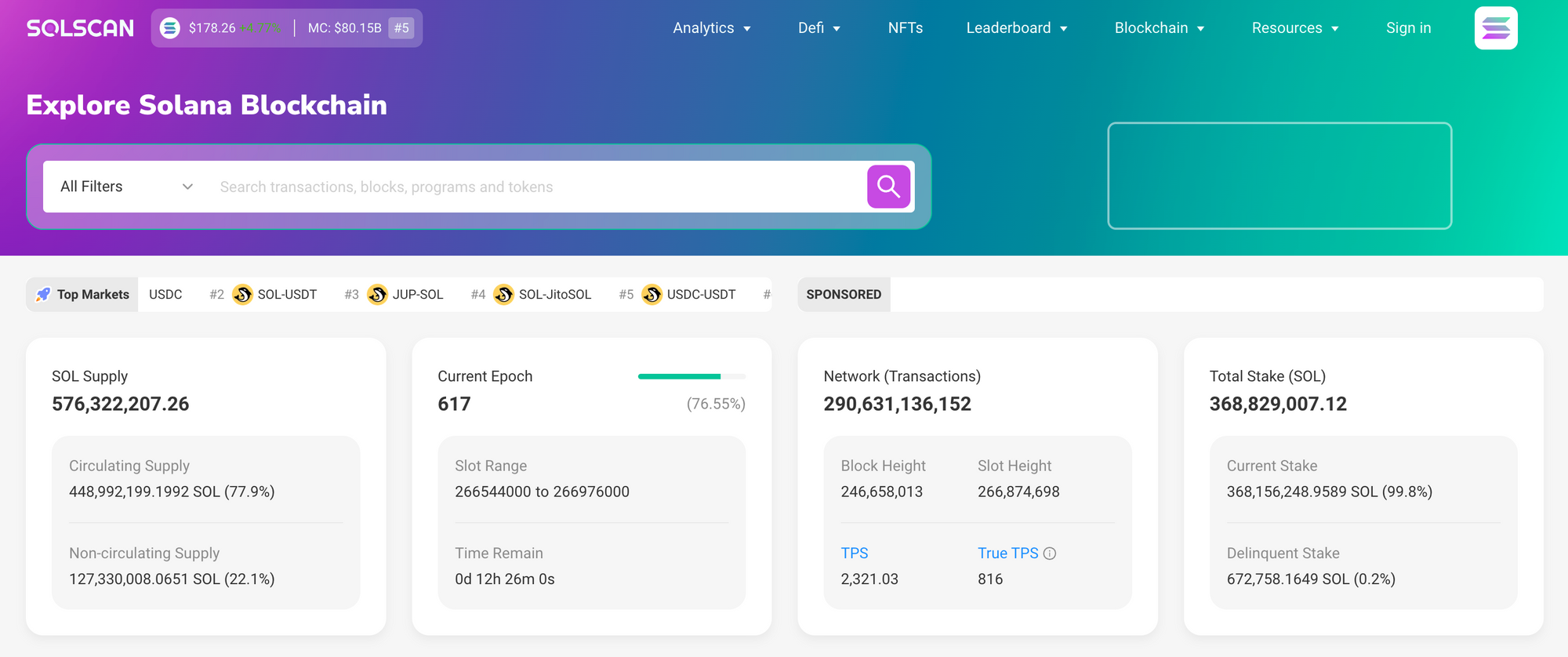
Try this explorer if you want practical, traceable NFT tracking
If you want to try one that balances these needs and offers an approachable UI, check this out—solscan—it helped me validate mint timelines and resolve metadata inconsistencies quickly. I’m not 100% sure it’s perfect for every workflow, but it hit the right combination of traceability and usability for several projects I worked on. Also, somethin’ about their transaction trace view made it easy to explain provenance to non-developers, which matters a lot in pitch meetings. Oh, and by the way… the community tools around explorers can be very very helpful when you need a quick sanity check.
Okay, so one last practical note: if you run an indexer or build tooling, log your assumptions. Document expected finality windows, RPC fallbacks, and metadata retrieval retries. That will save you hours of “why is this missing” time—trust me, I’ve been there.
FAQ
What’s the difference between an explorer and an NFT tracker?
An explorer is a general-purpose view into chain state: transactions, accounts, and programs. An NFT tracker focuses on token provenance, ownership histories, collection-level analytics, and metadata stability. Good NFT trackers are built on reliable indexing and present mint and transfer events in a timeline that’s easy to parse.
How should I choose an explorer for development vs. viewer-facing apps?
For development pick an explorer that exposes raw logs and instruction-level details. For viewer-facing apps prioritize UX and resilience: canonical metadata, clear error handling for missing assets, and quick lookup times. And make sure your choice aligns with your RPC and indexing strategy—those underneath pieces often determine long-term reliability.